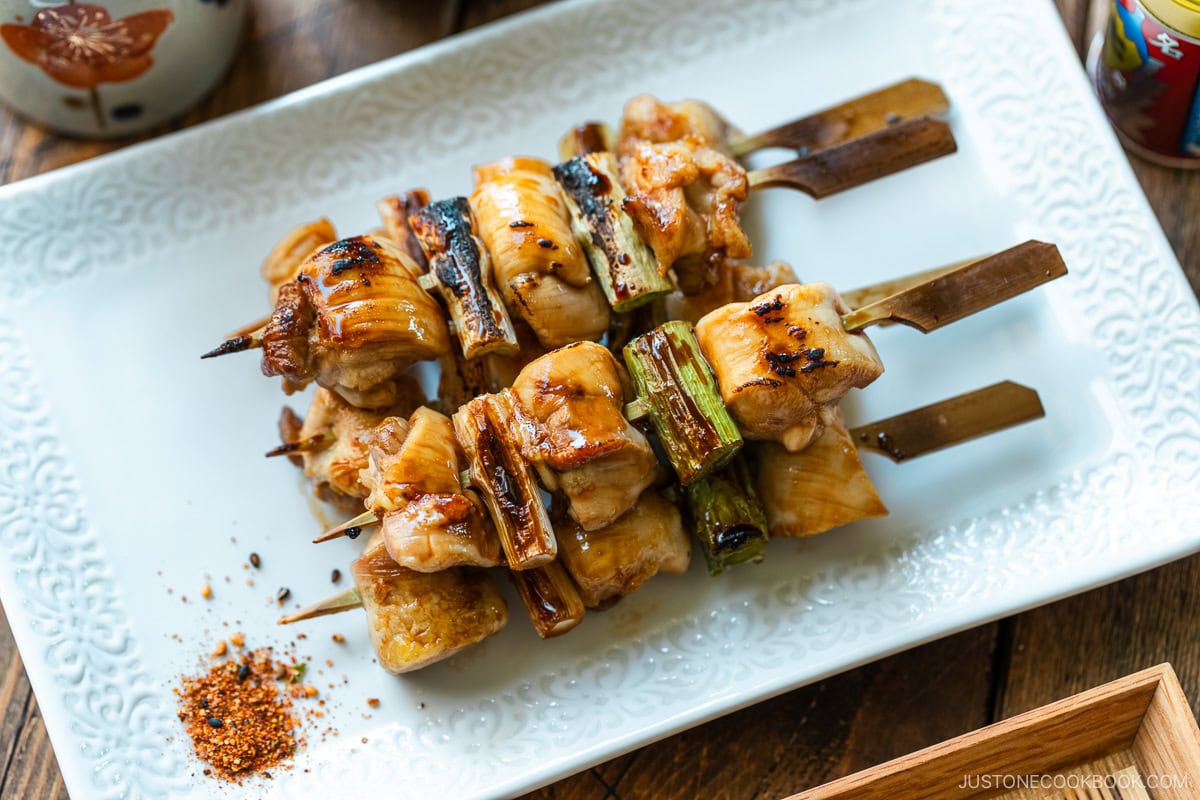
Embrace the Flavors of Japan at Home
Imagine the enticing aroma of smoky, savory-sweet chicken filling your kitchen. That’s the magic of yakitori, the beloved Japanese grilled chicken skewers that have captivated palates worldwide. While often enjoyed in bustling yakitori bars across Japan, this iconic dish is surprisingly simple to master in your own home kitchen. Forget expensive flights; with our comprehensive yakitori recipe, you're just a few steps away from an authentic Japanese culinary experience.
Yakitori, meaning "grilled bird," is more than just skewered chicken; it’s a cultural phenomenon. In Japan, these delightful skewers are a quintessential accompaniment to drinks after a long day, with skilled chefs grilling various cuts of chicken over charcoal, creating an irresistible smoky depth. From succulent thighs to crispy skin and even unique parts like hearts and cartilage, every bite tells a story of Japanese culinary ingenuity. But you don't need a specialized izakaya or even a trip to Japan to savor this delicacy. Our guide empowers you to recreate that same authentic taste and experience with an easy homemade yakitori recipe.
What Makes Yakitori So Special?
At its heart, yakitori is about simplicity and quality ingredients. The concept is straightforward: bite-sized pieces of chicken are threaded onto bamboo skewers (kushi), grilled to perfection, and often brushed with a sweet and savory sauce known as tare. However, it's the subtle nuances that elevate yakitori from a simple snack to a cherished culinary art form.
The Heart of Japanese Gastronomy
Yakitori holds a special place in Japanese social life. Picture yourself walking through a lively Japanese street, the air thick with the tantalizing scent of grilling meat. This aroma often emanates from yakitori bars, where friends and colleagues gather to unwind. Unlike a formal meal, yakitori is designed for sharing and enjoying alongside a cold beer or sake. The variety is astounding; while our primary yakitori recipe focuses on chicken thighs and scallions, traditional yakitori bars offer skewers from virtually every part of the chicken – from plump breast and succulent thigh (momo) to crispy skin (kawa), tender hearts (hatsu), and even cartilaginous bits (nankotsu). Each offers a unique texture and flavor profile, showcasing the Japanese philosophy of zero waste and maximizing flavor.
Homemade vs. High Street Yakitori
While Japan offers convenient options like grilled yakitori from butcher shops or supermarket delis, making it at home presents several distinct advantages. You have complete control over the quality of your ingredients, ensuring fresh, high-grade chicken. You can customize the cuts, choose your preferred level of sauce sweetness, and even experiment with different vegetables alongside your chicken. Plus, there's an undeniable satisfaction in crafting these delicious skewers yourself, bringing a piece of Japanese bar culture right into your dining room. It’s an easy, rewarding process that transforms a simple meal into a special occasion.
Mastering Your Homemade Yakitori Recipe: Step-by-Step
Ready to embark on your yakitori journey? This section will guide you through preparing delightful chicken skewers, ensuring a flavorful and authentic result. Our yakitori recipe is designed for home cooks, balancing traditional methods with practical home kitchen techniques.
1. Prepare Your Skewers (Kushi)
The foundation of any good skewer dish is, well, the skewers! For yakitori, bamboo skewers (kushi) are traditional. To prevent them from burning on the grill or pan, it’s crucial to soak them in cold water for at least 30 minutes before use. This simple step saturates the wood, making it resistant to high heat.
2. Craft the Perfect Tare Sauce
The tare (pronounced "tah-reh") sauce is the soul of many yakitori dishes, offering that signature sweet and savory glaze. While you can opt for a simple salt (shio) seasoning for purists, the tare adds an incredible depth of flavor. Our classic tare sauce is a delightful blend of:
- Soy Sauce: The umami-rich base, providing savory depth.
- Sake: Japanese rice wine, which tenderizes the chicken and adds subtle sweetness and aromatic complexity.
- Mirin: A sweet cooking rice wine, essential for its glossy sheen and balanced sweetness, often called "sweet sake."
- Sugar: White sugar balances the savory elements and helps the sauce caramelize beautifully, creating that signature sticky glaze.
Combine these ingredients in a small saucepan, bring them to a boil, then reduce the heat and simmer gently for about 5 minutes, or until the sauce slightly thickens. Remember to reserve about half of this delicious sauce for dipping later – this is a crucial cook's note for maximizing flavor!
3. Assemble Your Skewers
This is where your creativity comes in. For our primary yakitori recipe, we recommend:
- Chicken Thighs: Skinless, boneless chicken thighs are ideal for yakitori due to their rich flavor and higher fat content, which keeps them incredibly moist and juicy during grilling. Cut them into roughly 1-inch (2.5 cm) cubes for even cooking.
- Scallions (Green Onions): Sliced into 1-inch pieces, these add a fresh, pungent counterpoint to the rich chicken. When grilled, they soften and develop a wonderful sweetness that complements the savory tare.
Carefully thread the chicken pieces onto the soaked skewers, alternating with the scallion pieces. Aim for about 3-4 pieces of chicken per skewer, ensuring they're not packed too tightly to allow for even cooking. For more inspiration, you could also alternate with bell peppers, shiitake mushrooms, or even thin slices of leek, embracing the versatility of yakitori.
4. Cook Your Yakitori to Perfection
While a traditional charcoal grill imparts an unbeatable smoky flavor (as beautifully detailed in our article on Authentic Yakitori: Grill Perfect Japanese Chicken Skewers), you can achieve excellent results with a grill pan or even a conventional oven broiler, making this an accessible homemade treat.
- Grill Pan Method: Heat a grill pan over high heat and brush lightly with vegetable oil. Place the skewers on the hot pan. Cook for 7-10 minutes per side, turning occasionally to ensure even browning. During the last few minutes of cooking, frequently baste the chicken with the reserved tare sauce. This creates a beautiful, caramelized glaze and infuses the chicken with deep flavor. Cook until the chicken is no longer pink in the center and has a lovely char on the exterior.
- Oven Broiler Method: Preheat your broiler to high. Line a baking sheet with aluminum foil for easy cleanup, and place a wire rack on top. Arrange the skewers on the rack, ensuring they are in a single layer. Broil for about 5-7 minutes per side, turning once. Baste generously with tare sauce during the last few minutes of cooking, keeping a very watchful eye to prevent burning, as broilers can cook quickly.
Cook's Note: Frequent basting is undeniably key to developing that signature sticky, savory-sweet glaze and locking in moisture. Don't be shy with the sauce! The more layers of glaze, the deeper the flavor.
5. Serve and Enjoy!
Once cooked, transfer your yakitori to a warm serving platter. Have the remaining tare sauce warmed up in a small bowl for an extra dip, allowing everyone to customize their flavor intensity. Serve immediately with a side of fluffy steamed white rice and, if desired, a cold glass of sake or crisp Japanese beer for an truly authentic experience. This yakitori at home guide brings the convivial atmosphere of a Japanese bar right to your dining room!
Pro Tips for Unforgettable Homemade Yakitori
Elevate your homemade yakitori with these expert insights:
- Quality Chicken Matters: Always opt for fresh, high-quality chicken. Thighs are consistently recommended for their superior flavor and fat content, which keeps them moist and prevents them from drying out during grilling.
- Uniform Cuts: Cut your chicken into uniform, bite-sized pieces. This ensures that all pieces cook evenly at the same rate, preventing some from being undercooked or overcooked.
- Don't Overcrowd: Whether threading on the skewer or cooking on the grill/pan, avoid overcrowding. On skewers, space allows for even cooking; on the cooking surface, it ensures proper air circulation and browning, rather than steaming.
- Temperature Control: If grilling, managing your heat is crucial. Start with medium-high heat to get a nice sear and beautiful grill marks, then reduce slightly to cook through without burning the delicate tare sauce or the chicken itself.
- Salt Before Sauce (Shio Style): For an even deeper flavor profile, especially if you love the subtle taste of chicken, sprinkle a little salt (sea salt or kosher salt) on the chicken pieces before grilling, even if you’re planning to use tare. This helps draw out moisture, concentrates natural chicken flavors, and forms a delicious crust.
- Experiment with Skewered Ingredients: Beyond chicken and scallions, the world of yakitori is vast. Try cherry tomatoes, shiitake mushrooms, bell peppers, zucchini, or even asparagus wrapped in thin bacon for exciting variations.
- Make Extra Tare: A batch of tare sauce can be stored in an airtight container in the refrigerator for up to a week, making future yakitori sessions even quicker and more convenient. It’s also fantastic on other grilled meats!
Conclusion
Making yakitori at home is a wonderfully rewarding culinary adventure. It’s an accessible dish that brings the vibrant flavors and social charm of Japan's izakaya culture directly to your table. With this comprehensive yakitori recipe, you now have all the tools and knowledge to craft tender, smoky, and irresistibly glazed chicken skewers that will impress your family and friends. So, gather your ingredients, fire up your grill or pan, and prepare to delight in the simple elegance of homemade Japanese yakitori. Itadakimasu!
Original Publication: September 2013 | Updated: May 5, 2025
