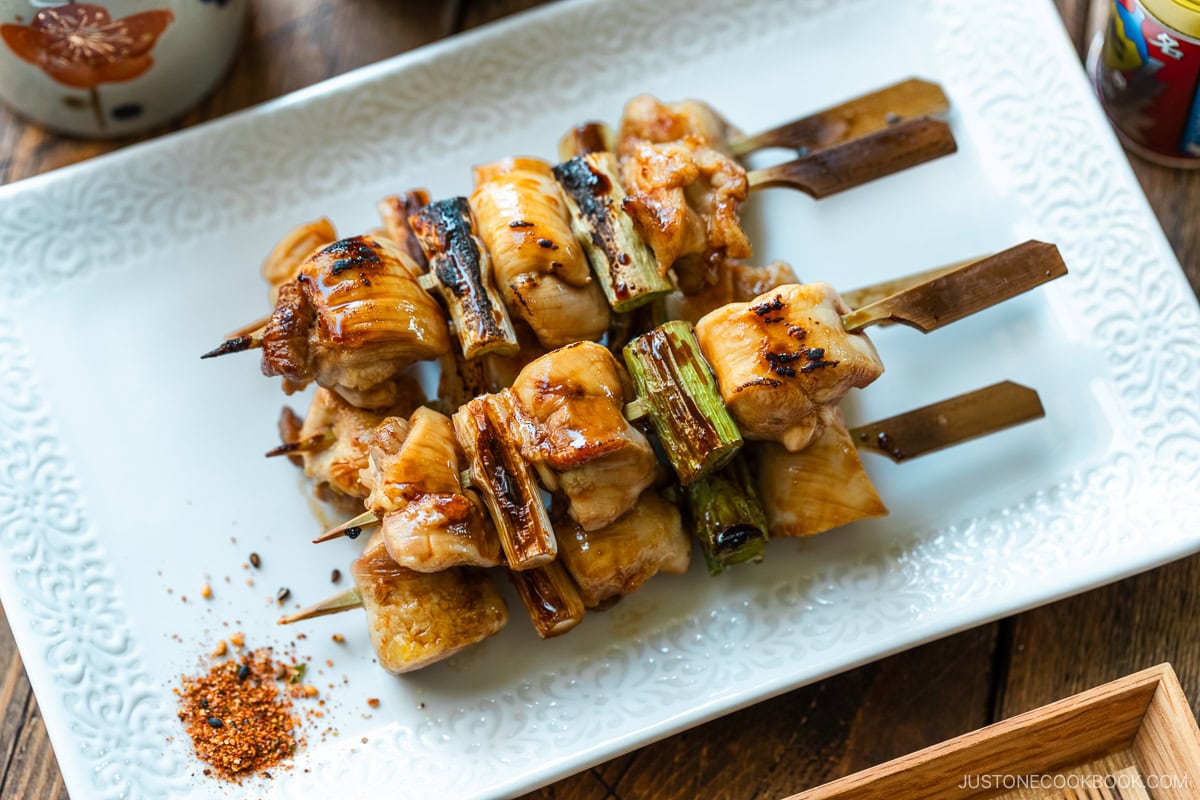
Bring the Bar Home: The Allure of Yakitori
Imagine the streets of Japan, fragrant with the irresistible aroma of smoky, grilled meat, drawing you into a cozy bar for a delicious bite and a refreshing drink. That captivating experience is centered around yakitori – the quintessential Japanese dish of grilled, skewered chicken. While traditionally a staple of lively yakitori bars and Izakayas, this beloved culinary delight is surprisingly simple to recreate in your own kitchen. Our comprehensive yakitori recipe will guide you through every step, allowing you to enjoy these Japanese bar favorites with family and friends, all from the comfort of home.
Yakitori is more than just chicken on a stick; it's an art form, utilizing various parts of the chicken, from succulent thighs and crispy skin to unique cuts like cartilage and heart. Each piece is carefully skewered, seasoned, and grilled to perfection, often bathed in a sweet and savory sauce known as tare. While charcoal grilling offers an unparalleled depth of flavor, our Easy Homemade Yakitori: Master Japanese Chicken Skewers guide and the recipe below demonstrate how easily you can achieve fantastic results using common kitchen equipment like a grill pan or even a frying pan.
Why Make Yakitori at Home?
- Authentic Experience: Recreate the vibrant atmosphere of a Japanese izakaya right in your dining room.
- Customization: Experiment with different chicken cuts, vegetables, and seasoning preferences to truly make it your own.
- Cost-Effective: Enjoy restaurant-quality yakitori without the premium price tag.
- Convenience: Satisfy those spontaneous cravings without having to leave the house. In Japan, while easy to find ready-made, crafting your own offers a unique satisfaction.
Crafting Your Yakitori: Ingredients and Essential Prep
The beauty of a great yakitori recipe lies in its simplicity and the quality of its ingredients. While traditional yakitori features a wide array of chicken parts, we'll focus on tender chicken thighs and crisp scallions for a universally appealing and easy-to-manage skewer.
Gather Your Ingredients:
- 10 wooden or bamboo skewers (approx. 6-8 inches)
- 4 skinless, boneless chicken thighs (about 1.5 lbs), cut into 1-inch cubes
- 4 scallions, cut into 1-inch pieces
- ½ cup sake (Japanese rice wine)
- ½ cup soy sauce (preferably low-sodium)
- 3 tablespoons mirin (sweet Japanese rice wine)
- 2 tablespoons white sugar
- 1 teaspoon vegetable oil, or to taste
Essential Preparation Steps:
- Soak Your Skewers: This crucial step prevents your skewers from burning during cooking, especially if you're grilling over high heat. Submerge your wooden or bamboo skewers in cold water for at least 30 minutes. This pre-hydration is key for a successful, burn-free skewer.
- Prepare Your Chicken: Cut the chicken thighs into uniform 1-inch cubes. Consistency in size is important for even cooking. Chicken thighs are preferred for their rich flavor and tendency to stay moist and tender. While our recipe focuses on thighs, feel free to explore other options like breast meat or even the unique texture of chicken skin.
- Assemble the Skewers (Kushi): Thread the chicken pieces onto the soaked skewers, alternating with the 1-inch pieces of scallion. Aim for 3-4 pieces of chicken per skewer, separated by 2-3 pieces of scallion. Don't pack them too tightly, as this can hinder even cooking. The scallions not only add a burst of fresh flavor but also visual appeal.
The Heart of the Flavor: Mastering Yakitori Tare Sauce
The distinctive sweet and savory glaze is what truly defines a classic yakitori recipe. This delicious sauce, known as tare, is a simple concoction that transforms plain grilled chicken into an irresistible treat. It’s a harmonious blend of fundamental Japanese pantry staples, creating a glaze that caramelizes beautifully on the chicken.
Crafting Your Tare Sauce:
- Combine the sake, soy sauce, mirin, and white sugar in a small saucepan.
- Bring the mixture to a gentle boil over medium heat, stirring occasionally to dissolve the sugar.
- Once boiling, reduce the heat to a simmer and let it cook for about 5-7 minutes, or until the sauce slightly thickens and coats the back of a spoon. It should reduce by about one-third.
- Important: Once thickened, immediately reserve half of the sauce in a separate bowl. This reserved portion will be used later for dipping, ensuring it remains clean and unadulterated by raw chicken juices. The other half will be used for basting the chicken as it cooks.
Cook's Note: The magic of yakitori often lies in the frequent basting with the tare sauce. This builds up layers of flavor and creates that signature glossy, caramelized exterior. Don't be shy with the basting!
The "Shio" Alternative:
While tare is incredibly popular, many yakitori enthusiasts prefer shio, which simply means salt. For a shio yakitori, you would skip the tare sauce entirely and instead season the chicken generously with good quality sea salt before and during grilling. A squeeze of lemon juice after cooking is a common and delightful addition to shio yakitori, offering a refreshing contrast to the rich chicken.
Grilling to Perfection: Cooking Your Yakitori Skewers
The cooking method plays a pivotal role in achieving authentic yakitori flavor. While a traditional charcoal grill imparts an unmatched smoky essence, you can still achieve fantastic results using indoor alternatives. For those keen to explore the nuances of outdoor grilling, our article on Authentic Yakitori: Grill Perfect Japanese Chicken Skewers offers invaluable insights.
Cooking Methods:
1. Grill Pan (Recommended for Home Cooks):
- Heat a grill pan over high heat. Lightly brush the ridges with vegetable oil to prevent sticking.
- Place the skewers on the hot grill pan, ensuring they are not overcrowded. Cook in batches if necessary.
- Cook for 7 to 10 minutes per side, turning occasionally. During the last few minutes of cooking on each side, baste frequently with the unreserved tare sauce. The sauce will caramelize, forming a beautiful glaze.
- Cook until the chicken is no longer pink in the center and reaches an internal temperature of 165°F (74°C).
2. Outdoor Charcoal Grill (For the Authentic Experience):
- Prepare your charcoal grill for direct, medium-high heat. Allow the coals to ash over for even temperature.
- Place the skewers directly over the heat, turning frequently to prevent burning.
- Baste with tare sauce during the last 5-7 minutes of cooking. The high heat of charcoal will quickly caramelize the sauce and infuse a wonderful smoky flavor.
3. Oven Broiler:
- Preheat your broiler to high. Line a baking sheet with foil and place an oven-safe wire rack on top. Lightly oil the rack.
- Arrange the skewers on the rack. Broil for 4-5 minutes per side, or until lightly browned.
- Start basting with the tare sauce during the last 2-3 minutes of cooking on each side, watching carefully to prevent burning. Broilers can cook quickly, so vigilance is key.
Regardless of your chosen method, remember to keep an eye on the chicken. The goal is beautifully caramelized exteriors and juicy, fully cooked interiors.
Serving Your Homemade Yakitori Feast
Once your skewers are perfectly cooked and glistening with tare sauce, it's time to serve them up! Yakitori is incredibly versatile and can be enjoyed as a tantalizing appetizer or the star of a full meal.
Presentation and Pairing:
- Dipping Sauce: Offer the reserved tare sauce on the side for an extra burst of flavor.
- Condiments: A sprinkle of shichimi togarashi (Japanese seven-spice blend) adds a delightful kick, while a squeeze of fresh lemon juice offers a bright contrast. Pickled ginger or a side of simple Japanese pickles (tsukemono) can also cut through the richness.
- Accompaniments: Serve your yakitori alongside steaming white rice for a satisfying meal. For an authentic bar experience, pair it with cold Japanese beer or a warming glass of sake. A fresh green salad dressed with a light vinaigrette can also complement the richness of the chicken.
The joy of making yakitori at home extends beyond just the delicious taste; it's about sharing a culinary journey and experiencing a slice of Japanese culture. Whether you're a seasoned chef or a kitchen novice, this yakitori recipe provides a straightforward path to an incredibly rewarding dish.
Conclusion
From the bustling streets of Tokyo to the comfort of your kitchen, yakitori offers a truly delightful culinary adventure. With this detailed yakitori recipe, you're now equipped to master the art of grilling these Japanese chicken skewers, creating a dish that's rich in flavor and steeped in tradition. The simplicity of the ingredients, combined with the magic of the tare sauce and thoughtful grilling, culminates in an unforgettable meal. So gather your ingredients, soak those skewers, and prepare to impress your taste buds and your guests with your homemade yakitori masterpiece. It’s time to ignite your culinary passion and savor the taste of Japan!
